GE Microwave Troubleshooting: A Comprehensive Guide
Accessing official GE microwave PDF manuals is crucial for safe and effective repairs; visit GE Appliances Support or related sites for detailed diagrams and instructions;

Understanding GE Microwave Models
GE microwaves encompass a diverse range of models, from basic countertop versions to sophisticated convection and sensor-equipped units․ Identifying your specific model number – typically found on a label inside the door or on the rear panel – is the first step in effective troubleshooting․
This number unlocks access to the correct PDF manual, containing detailed schematics, parts lists, and troubleshooting guides tailored to your appliance․ GE has undergone significant restructuring, splitting into GE Aerospace, GE Vernova, and GE HealthCare, so locating manuals may now direct you to specific company websites․ Understanding the age and features of your microwave will also help narrow down potential issues, as older models may have different components and repair procedures than newer, digitally controlled units․
Accessing GE Microwave PDF Manuals
Obtaining the correct PDF manual is paramount for successful GE microwave repair․ Start at the official GE Appliances Support website; however, due to the recent company divisions (GE Aerospace, GE Vernova, GE HealthCare), navigation may require specifying the original product line․
Alternatively, numerous third-party websites archive appliance manuals․ When searching, always include your microwave’s complete model number for accurate results․ These manuals provide essential diagrams, parts lists, safety information, and step-by-step troubleshooting procedures․ Be cautious of unofficial sources and prioritize manuals directly from GE or reputable appliance parts retailers to ensure accuracy and safety during your repair efforts․
Common GE Microwave Problems
GE microwave owners frequently encounter issues like failure to heat, a non-rotating turntable, or internal sparking․ These problems often stem from a faulty magnetron, a defective turntable motor, or a damaged waveguide cover․ Accessing a detailed PDF manual is vital for diagnosing these concerns․
Control panel malfunctions, displaying error codes, are also common․ Before attempting repairs, consult the manual for specific code meanings and troubleshooting steps․ Remember, attempting repairs without proper knowledge can be dangerous; always prioritize safety and consider professional assistance if unsure․ A manual provides crucial safety precautions and component locations․
Microwave Not Heating
If your GE microwave isn’t heating, the first step is consulting the PDF manual for specific troubleshooting guidance․ A common culprit is a failed magnetron, the component generating microwaves․ However, a faulty high voltage diode or capacitor can also cause this issue․ The manual provides diagrams to locate these parts․
Before investigating components, ensure the waveguide cover isn’t damaged, as this can prevent microwave energy from reaching the food․ Always disconnect power before inspecting internal parts․ The PDF will detail safety procedures․ If unsure about testing components, professional repair is recommended to avoid electrical hazards․
Turntable Not Rotating
A non-rotating turntable in your GE microwave often indicates a problem with the turntable motor or its associated components․ Your PDF manual will have exploded diagrams illustrating the motor’s location and how it connects to the turntable support and roller guide․ Begin by checking for obstructions beneath the turntable․
If clear, inspect the roller guide for damage or debris․ A faulty turntable motor is the next likely cause; the PDF may include testing procedures, but replacement is often necessary․ Ensure the motor receives power according to the wiring diagram in the manual․ Always disconnect power before any inspection or repair work․
Sparking Inside the Microwave
Sparking within a GE microwave is a serious safety concern and requires immediate attention․ Consult your PDF manual for specific warnings and troubleshooting steps․ The most common cause is damage to the waveguide cover, a small component protecting the magnetron․ Inspect this cover carefully for burns or holes – never operate the microwave with a damaged cover․
The PDF will detail its location and replacement procedure․ Interior cleaning is also vital; food residue can cause arcing․ If sparking persists after cleaning and cover inspection, a faulty magnetron or high-voltage diode may be the culprit, requiring professional repair․ Disconnect power before any inspection․
Safety Precautions Before Troubleshooting
Prioritize safety when attempting any GE microwave repair․ Always disconnect the microwave from the power outlet before beginning any inspection or component replacement – this prevents electric shock․ Your PDF manual emphasizes this crucial step․ High-voltage components, like the capacitor and magnetron, retain a dangerous charge even after disconnection; discharge the capacitor following the PDF’s instructions․
Never operate the microwave with any panels removed․ Be aware of potential sharp edges inside the appliance․ If you’re uncomfortable working with electrical components, consult a qualified technician․ The PDF provides diagrams and warnings; heed them carefully to avoid injury or further damage․
Tools Needed for GE Microwave Repair
Successfully troubleshooting a GE microwave requires specific tools․ A PDF manual often lists recommended equipment․ Essential items include a non-contact voltage tester to verify power is off, and a multimeter for testing components like the fuse and high-voltage diode․ Screwdrivers (Phillips and flathead) are vital for disassembly, alongside pliers and wire strippers․
Safety glasses are crucial to protect your eyes․ A component tester can aid in diagnosing faulty parts․ The PDF may detail specific tools needed for certain repairs․ Having a digital camera to document wiring before disconnecting is highly recommended․ Ensure all tools are insulated for electrical work․
Troubleshooting Power Issues
When your GE microwave lacks power, consult the PDF manual for specific guidance․ Begin by verifying the power cord is securely plugged into a working outlet․ Test the outlet with another appliance to confirm functionality․ A blown fuse is a common culprit; the PDF will show its location and replacement procedure․
Always disconnect power before accessing the fuse․ Use a multimeter to test fuse continuity․ If the fuse repeatedly blows, a short circuit exists, requiring further investigation․ The PDF may contain wiring diagrams to aid in tracing the fault․ Check the door interlock switches – a faulty switch prevents operation․
Checking the Power Cord and Outlet
Before diving into complex repairs, your GE microwave troubleshooting PDF emphasizes a simple check: the power cord and outlet․ Ensure the cord is firmly plugged into a functioning outlet․ Test the outlet using another appliance – a lamp or phone charger – to confirm it delivers power․
Inspect the power cord for any visible damage, such as cuts or fraying․ A damaged cord presents a safety hazard and must be replaced․ The PDF manual often includes diagrams illustrating proper cord routing․ If the outlet is controlled by a circuit breaker, verify the breaker hasn’t tripped; Reset it if necessary, then retest the microwave․
Fuse Replacement Procedures
Your GE microwave troubleshooting PDF details crucial safety steps before fuse replacement: always disconnect power! Locate the fuse, typically behind an access panel – the manual provides specific locations․ Carefully remove the old fuse, noting its amperage rating (important for replacement!)․
Install a new fuse with the exact same amperage․ Using a higher amperage fuse is dangerous and can cause further damage․ Reattach the access panel securely․ Before restoring power, double-check all connections․ The PDF often includes exploded diagrams for clarity․ If the new fuse blows immediately, a more significant internal problem exists, requiring professional attention․
Diagnosing Heating Problems
A GE microwave troubleshooting PDF is essential for safely diagnosing heating issues․ Begin by verifying the magnetron – the heart of microwave heating – though testing requires specialized knowledge and tools․ The PDF may offer voltage checks, but high voltage components are extremely dangerous․
Next, inspect the high voltage diode; a faulty diode prevents proper magnetron operation; Again, the manual provides testing guidance, but caution is paramount․ If food isn’t heating, but the turntable rotates, suspect these components․ Remember, internal repairs involve lethal voltages; consult a qualified technician if unsure․ The PDF stresses safety throughout the diagnostic process․
Magnetron Testing
A GE microwave troubleshooting PDF details magnetron testing, but emphasizes extreme caution due to high voltage․ Disconnect power completely before accessing the magnetron․ The PDF will guide you through checking for continuity using a multimeter, indicating if the magnetron is shorted or open․

Voltage testing, however, is highly dangerous and best left to professionals․ A faulty magnetron often presents with no heating, but the turntable may still function․ The manual stresses the importance of proper grounding and discharge procedures․ Never operate the microwave with the casing open during testing․ If unsure, consult a qualified appliance repair technician; safety is paramount․

High Voltage Diode Check
A GE microwave troubleshooting PDF outlines the high voltage diode check as a critical step․ Always disconnect power and discharge the capacitor before proceeding – this is a life-saving precaution! The PDF instructs using a multimeter in diode mode to test for forward and reverse bias․
A functioning diode will show resistance in one direction and none in the other; A shorted diode will show continuity in both directions, while an open diode will show no continuity․ A faulty diode often causes no heating or intermittent heating․ Replacement requires careful attention to polarity․ If unfamiliar with electrical testing, consult a qualified technician; high voltage components are dangerous․

Addressing Turntable Issues
A GE microwave troubleshooting PDF details common turntable problems and solutions․ If the turntable isn’t rotating, first check for obstructions․ The PDF emphasizes inspecting the turntable support and roller guide for damage or debris․ A faulty turntable motor is another frequent cause; testing it with a multimeter (as described in the PDF) can confirm functionality․
Motor replacement is often straightforward, but ensure the correct replacement part is used․ The PDF provides diagrams for proper installation․ If the support or roller guide is damaged, replacement is necessary․ Always disconnect power before any repair․ Consistent turntable operation is vital for even heating․
Motor Replacement
A GE microwave troubleshooting PDF provides step-by-step instructions for motor replacement․ Begin by disconnecting power! Access the motor, typically located beneath the microwave cavity, following the PDF’s disassembly guide․ Carefully disconnect the wiring harness, noting its configuration for reassembly․ Remove the old motor, and install the new one, ensuring it’s securely mounted․
Reconnect the wiring harness precisely as before; The PDF often includes wiring diagrams․ Test the turntable function before fully reassembling the microwave․ If it doesn’t rotate, double-check connections․ Using the correct replacement motor, specified in the PDF, is crucial for proper operation and safety․
Turntable Support and Roller Guide Inspection
A GE microwave troubleshooting PDF emphasizes inspecting the turntable support and roller guide․ Often, a non-rotating turntable isn’t a motor issue, but a problem with these components․ The PDF will detail how to access these parts, usually by removing the glass turntable․ Check the roller guide for cracks, debris, or wear․ Clean thoroughly, removing any obstructions․
Inspect the turntable support for damage; a broken support prevents smooth rotation․ Replacement parts are often detailed within the PDF․ Ensure the roller guide is properly seated in its track․ A GE manual’s exploded view diagrams are invaluable here․ Proper support and a clean guide are vital for quiet, efficient operation․
Resolving Sparking Issues
A GE microwave troubleshooting PDF highlights that sparking inside is a serious safety concern, never ignore it! The PDF stresses immediately stopping use and disconnecting power․ Common causes include food residue, metal objects, or a damaged waveguide cover․ Carefully inspect the interior for any metallic items or burnt food particles, cleaning thoroughly․
The PDF provides detailed instructions for inspecting the waveguide cover – a rectangular piece of mica or plastic – for burns or damage․ A damaged cover must be replaced․ Always use a GE-approved replacement part․ The manual’s diagrams aid in locating and replacing this component․ Ignoring sparking can lead to fire or further damage․
Waveguide Cover Inspection
A GE microwave troubleshooting PDF emphasizes the waveguide cover as a primary source of internal sparking․ This rectangular component, usually mica or plastic, protects the waveguide from food splatters․ The PDF instructs users to carefully inspect it for burns, cracks, or deterioration․ Damage allows microwaves to escape, causing arcing․
The manual details how to access the waveguide cover, typically located on the interior side wall․ Replacement is straightforward, but the PDF warns against operating the microwave without a properly installed cover․ Always disconnect power before inspection or replacement․ Use only GE-approved replacement parts, referencing the PDF’s parts diagram for correct identification․ A damaged cover must be replaced for safe operation․
Interior Cleaning and Damage Assessment
A GE microwave troubleshooting PDF stresses thorough cleaning as a first step in resolving many issues․ Food debris can cause sparking and odors․ The PDF advises disconnecting power and removing the turntable and roller ring before cleaning․ Use a damp cloth and mild detergent; avoid abrasive cleaners․
Beyond cleaning, the PDF guides users to assess for interior damage․ Inspect the walls, ceiling, and floor for burns, cracks, or peeling paint․ Damage can indicate arcing or component failure․ Pay close attention to the waveguide cover area․ The manual details how to identify potential hazards and whether professional repair is necessary․ Referencing the GE parts diagram within the PDF aids in identifying damaged components․
Troubleshooting Control Panel Problems
A GE microwave troubleshooting PDF often dedicates a section to control panel issues, as these are common․ The PDF guides users through basic checks: ensuring the control panel is clean and dry, and verifying the microwave is properly plugged in․ For keypad malfunctions, the PDF suggests testing each button individually․
Display errors and codes are extensively covered in the GE documentation․ The PDF provides a comprehensive list of error codes and their corresponding solutions․ It emphasizes not attempting repairs if unfamiliar with electrical components․ The PDF also details how to reset the microwave, which can sometimes resolve minor control panel glitches․ Always consult the GE manual before disassembly․
Keypad Malfunctions
A GE microwave troubleshooting PDF typically begins keypad diagnostics with simple checks․ First, ensure the control panel is clean and dry, as residue can cause unresponsive buttons․ The PDF instructs users to test each key individually, observing if the display reacts accordingly․ If specific keys consistently fail, the PDF suggests a potential membrane switch issue․
More advanced GE manuals detail how to access the control board for inspection, but caution against this unless experienced․ The PDF emphasizes safety, warning about high voltage components․ It may include diagrams illustrating the keypad’s connection to the control board․ Replacement procedures are often outlined, referencing specific GE part numbers found within the PDF․

Display Errors and Codes
GE microwave troubleshooting PDF guides prioritize decoding error codes displayed on the microwave’s screen․ These codes, unique to GE models, pinpoint specific component failures․ The PDF provides a comprehensive list, explaining each code’s meaning – from door switch issues to magnetron problems․ Often, the PDF directs users to related sections detailing repair procedures for the identified fault․
Beyond codes, the PDF addresses display anomalies like flickering or a completely blank screen․ It suggests checking power supply connections and the display board itself․ Detailed diagrams within the PDF illustrate component locations․ The GE manual stresses safety, advising disconnection from power before any internal inspection, and referencing specific GE part numbers for replacements․
GE Microwave Component Replacement
GE microwave troubleshooting PDF manuals are invaluable when replacing components․ They detail step-by-step disassembly procedures, emphasizing safety precautions like capacitor discharge before handling high-voltage parts․ The PDF provides exploded diagrams illustrating component locations and proper reassembly․ Common replacements – magnetrons, diodes, capacitors, and control boards – are covered with specific torque specifications․
The PDF stresses using only GE-approved replacement parts to maintain performance and safety standards․ It often includes a parts list with GE part numbers for easy ordering․ Diagrams show wiring harness connections, crucial for correct functionality․ Always consult the PDF before attempting any component replacement, ensuring a safe and successful repair, avoiding further damage․
Finding GE Microwave Parts
GE microwave troubleshooting PDF manuals frequently list GE part numbers, simplifying the sourcing process․ However, locating parts requires exploring various avenues․ GE Appliances’ official website offers a parts store, often requiring the microwave’s model number for accurate searches․ Numerous online appliance parts retailers specialize in GE components, cross-referencing parts using the PDF’s diagrams․
Local appliance repair shops can also source parts, leveraging their industry connections․ When ordering, verify compatibility with your specific model using the PDF․ Beware of generic or non-GE approved parts, as they may compromise performance and safety․ The PDF’s detailed parts lists are essential for accurate identification and ordering;
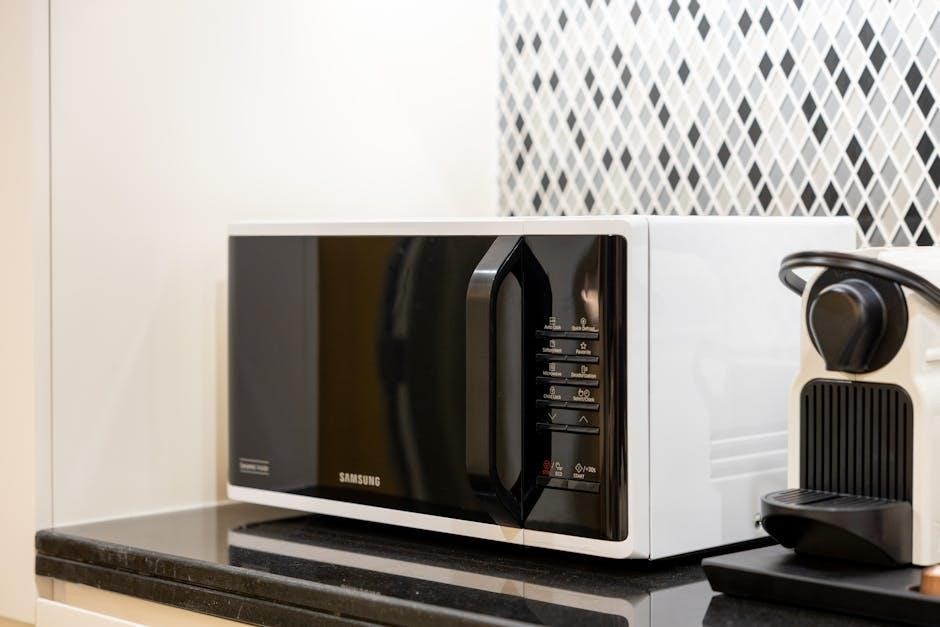
Resources for GE Microwave Repair
GE Appliances Support’s website is a primary resource, offering downloadable GE microwave troubleshooting PDF manuals, FAQs, and direct support contact options․ These PDFs are invaluable for diagnosing issues and understanding component locations․ Online repair forums and communities, like those found on sites dedicated to appliance repair, provide a platform to share experiences and seek advice from fellow enthusiasts․
YouTube channels often feature GE microwave repair tutorials, visually demonstrating procedures outlined in the PDFs․ Remember to prioritize safety and consult the PDF before attempting any repairs․ Always verify information from online sources with the official GE documentation for accuracy․
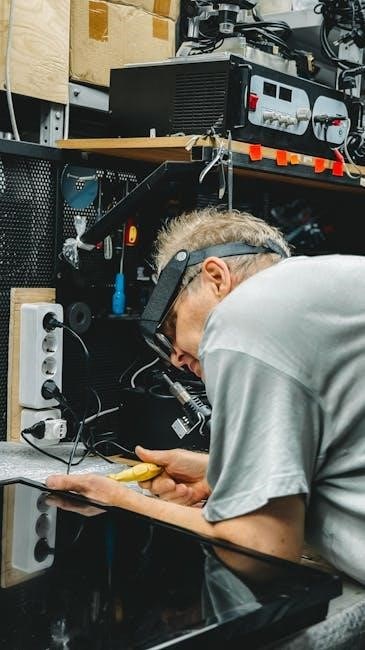
GE Appliances Support Website
GE Appliances’ official website is the definitive source for GE microwave troubleshooting PDF manuals and support documentation․ Users can typically locate manuals by entering their model number, providing access to detailed diagrams, parts lists, and repair instructions․ The website also features a comprehensive FAQ section addressing common microwave problems and solutions․

Direct contact options, including phone and chat support, are available for more complex issues․ Downloading the PDF manual allows offline access to crucial repair information․ Regularly updated, the GE Appliances Support website ensures users have the most current resources for maintaining and repairing their GE microwaves effectively․
Online Repair Forums and Communities
Numerous online repair forums and communities offer valuable insights into GE microwave troubleshooting, often with shared PDF manuals and repair experiences․ These platforms allow users to connect with experienced DIYers and technicians, posing specific questions about their microwave issues and receiving tailored advice․
Searching these forums with your GE model number can reveal previously solved problems and potential fixes․ While information should be verified, these communities provide a collaborative environment for diagnosing and repairing GE microwaves․ Many users share scanned PDF versions of service manuals, supplementing official documentation and offering alternative perspectives on repair procedures․